<?xml version="1.0" encoding="utf-8" ?>
<rdf:RDF xmlns:rdf="http://www.w3.org/1999/02/22-rdf-syntax-ns#" xmlns:dc="http://purl.org/dc/elements/1.1/" xmlns:syn="http://purl.org/rss/1.0/modules/syndication/" xmlns="http://purl.org/rss/1.0/">


<channel rdf:about="https://ciram.unimc.it/it/search_rss">
  <title>Italiano</title>
  <link>https://ciram.unimc.it</link>

  <description>
    
            These are the search results for the query, showing results 1 to 15.
        
  </description>


  <image rdf:resource="https://ciram.unimc.it/logo.png"/>

  <items>
    <rdf:Seq>
      
        <rdf:li rdf:resource="https://ciram.unimc.it/it/chi-siamo/visiting-scholars-students"/>
      
      
        <rdf:li rdf:resource="https://ciram.unimc.it/it/site-news/venice-declaration-for-ocean-literacy-in-action"/>
      
      
        <rdf:li rdf:resource="https://ciram.unimc.it/it/eventi/venezia-ancona-e-marsiglia-tra-xvi-e-xviii-secolo.-congiunture-reti-commerciali-traffici-globali"/>
      
      
        <rdf:li rdf:resource="https://ciram.unimc.it/it/focus/patrimonio-culturale"/>
      
      
        <rdf:li rdf:resource="https://ciram.unimc.it/it/focus/patrimonio-culturale/home"/>
      
      
        <rdf:li rdf:resource="https://ciram.unimc.it/it/ricerca/progetti/CHIAS/actions"/>
      
      
        <rdf:li rdf:resource="https://ciram.unimc.it/it/ricerca/progetti/mc-ru/tasks"/>
      
      
        <rdf:li rdf:resource="https://ciram.unimc.it/it/focus/storia-antica-archeologia-med/le-missioni-archeologiche-del-dipartimento-di-studi-umanistici-delluniversita-di-macerata"/>
      
      
        <rdf:li rdf:resource="https://ciram.unimc.it/it/ricerca/progetti/migrazioni-ambientali-climatiche/team"/>
      
      
        <rdf:li rdf:resource="https://ciram.unimc.it/it/focus/umanesimo-adriatico/home"/>
      
      
        <rdf:li rdf:resource="https://ciram.unimc.it/it/focus/umanesimo-adriatico"/>
      
      
        <rdf:li rdf:resource="https://ciram.unimc.it/it/focus/dialogo-tra-civilta-e-diritti-umani/tutela-dei-diritti-umani-nellera-digitale"/>
      
      
        <rdf:li rdf:resource="https://ciram.unimc.it/it/ricerca/progetti/migrazioni-ambientali-climatiche/project"/>
      
      
        <rdf:li rdf:resource="https://ciram.unimc.it/it/focus/diritto-geopolitica-mare/technology-for-sustainable-ocean-governance/technology-for-sustainable-ocean-governance"/>
      
      
        <rdf:li rdf:resource="https://ciram.unimc.it/it/focus/diritto-geopolitica-mare/technology-for-sustainable-ocean-governance"/>
      
    </rdf:Seq>
  </items>

</channel>


  <item rdf:about="https://ciram.unimc.it/it/chi-siamo/visiting-scholars-students">
    <title>Visiting scholars &amp; students</title>
    <link>https://ciram.unimc.it/it/chi-siamo/visiting-scholars-students</link>
    <description></description>
    <content:encoded xmlns:content="http://purl.org/rss/1.0/modules/content/"><![CDATA[<p> </p>
<p><b>9-27 marzo 2026</b></p>
<ul>
<li style="text-align: justify; "><span><b>Ana Clara Schuh Ibrahim | </b></span><span>Universidade Federal de Santa Catarina </span></li>
</ul>]]></content:encoded>
    <dc:publisher>No publisher</dc:publisher>
    <dc:creator>Caligiuri Andrea</dc:creator>
    <dc:rights></dc:rights>
    <dc:date>2026-02-18T08:22:57Z</dc:date>
    <dc:type>Pagina</dc:type>
  </item>


  <item rdf:about="https://ciram.unimc.it/it/site-news/venice-declaration-for-ocean-literacy-in-action">
    <title>Venice Declaration for Ocean Literacy in Action</title>
    <link>https://ciram.unimc.it/it/site-news/venice-declaration-for-ocean-literacy-in-action</link>
    <description>Come coinvolgere la società civile perrigenerare l'ecosistema più preziosodel nostro pianeta</description>
    <content:encoded xmlns:content="http://purl.org/rss/1.0/modules/content/"><![CDATA[<p style="text-align: justify; "> </p>
<p style="text-align: justify; ">La <a href="https://www.unesco.it/it/news/ocean-literacy-world-conference-venezia-7-e-8-giugno-2024/">Conferenza mondiale sull’educazione all’Oceano (Ocean Literacy)</a> si è chiusa sabato 8 giugno a Venezia con l’adozione della <a href="https://www.unesco.it/wp-content/uploads/2024/06/ITA_Venice-Declaration-for-Ocean-Literacy-in-Action.pdf">Dichiarazione di Venezia </a>(Venice   Declaration for Ocean Literacy in Action) che prevede 10 iniziative   concrete per rafforzare la conoscenza del mare e dei suoi meccanismi   nella consapevolezza che la sua e la nostra salute sono strettamente   interconnesse. La Dichiarazione è  intesa come un documento vivente che  potrà evolvere grazie  all’interazione e allo scambio di vedute ed  esperienze di tutti gli  attori attivi in questo delicato ambito.</p>
<ul>
<li style="text-align: justify; "><i><a href="https://ciram.unimc.it/it/site-news/390297ita.pdf" class="internal-link">Scarica la Dichiarazione di Venezia</a></i></li>
</ul>]]></content:encoded>
    <dc:publisher>No publisher</dc:publisher>
    <dc:creator>Caligiuri Andrea</dc:creator>
    <dc:rights></dc:rights>
    <dc:date>2024-06-10T08:55:00Z</dc:date>
    <dc:type>Notizia</dc:type>
  </item>


  <item rdf:about="https://ciram.unimc.it/it/eventi/venezia-ancona-e-marsiglia-tra-xvi-e-xviii-secolo.-congiunture-reti-commerciali-traffici-globali">
    <title>Venezia, Ancona e Marsigla tra XVI e XVIII secolo. Congiunture, reti commerciali e traffici globali</title>
    <link>https://ciram.unimc.it/it/eventi/venezia-ancona-e-marsiglia-tra-xvi-e-xviii-secolo.-congiunture-reti-commerciali-traffici-globali</link>
    <description></description>
    <content:encoded xmlns:content="http://purl.org/rss/1.0/modules/content/"><![CDATA[<p style="text-align: center; "> </p>
<p style="text-align: center; "><b>Polo didattico Tucci | Aula A “Shakespeare” </b></p>
<p style="text-align: center; "><b>Via Morbiducci | MACERATA<br />Streaming on line piattaforma Teams: <a class="external-link" href="https://teams.microsoft.com/dl/launcher/launcher.html?url=%2F_%23%2Fl%2Fchannel%2F19%3Ad6d8085ed4584df8ab5e4f708aaaff6c%40thread.tacv2%2FGenerale%3FgroupId%3D7ca8e054-0b2f-4de9-a60d-a226d5bc4c65%26tenantId%3D1aceb148-a22a-49fb-b0f8-18319c256a74&amp;type=channel&amp;deeplinkId=84e55731-113f-4841-b8b6-d3019659f193&amp;directDl=true&amp;msLaunch=true&amp;enableMobilePage=true&amp;suppressPrompt=true">ACCESSO</a></b></p>
<p style="text-align: center; "><b> </b></p>
<hr />
<p><b> <br /></b></p>
<p> </p>
<p><b><i>INTRODUCONO</i></b></p>
<ul>
<li>Andrea CALIGIURI | Università di Macerata| Direttore CiRAM</li>
<li>Maria CIOTTI | Università di Macerata</li>
</ul>
<p><br /><b><i>MODERA E COORDINA</i></b></p>
<ul>
<li>Massimo CATTANEO | Università di Napoli “Federico II” | Presidente Istituto Storico di Macerata</li>
</ul>
<p> </p>
<p><b><i>INTERVENGONO</i></b></p>
<ul>
<li>Luca ANDREONI | Università Politecnica delle Marche</li>
<li>Paolo CALCAGNO | Università di Genova | Laboratorio di Storia marittima e navale | Centro di ricerca “Fernand Braudel”</li>
<li>Luca LO BASSO | Università di Genova | Laboratorio di Storia marittima e navale | Centro di ricerca “Fernand Braudel”</li>
</ul>]]></content:encoded>
    <dc:publisher>No publisher</dc:publisher>
    <dc:creator>Caligiuri Andrea</dc:creator>
    <dc:rights></dc:rights>
    <dc:date>2025-11-17T12:50:00Z</dc:date>
    <dc:type>Evento</dc:type>
  </item>


  <item rdf:about="https://ciram.unimc.it/it/focus/patrimonio-culturale">
    <title>Valorizzazione del patrimonio culturale costiero e subacqueo</title>
    <link>https://ciram.unimc.it/it/focus/patrimonio-culturale</link>
    <description></description>
    
    <dc:publisher>No publisher</dc:publisher>
    <dc:creator>Caligiuri Andrea</dc:creator>
    <dc:rights></dc:rights>
    <dc:date>2021-02-05T07:40:00Z</dc:date>
    <dc:type>Cartella</dc:type>
  </item>


  <item rdf:about="https://ciram.unimc.it/it/focus/patrimonio-culturale/home">
    <title>Valorizzazione del patrimonio culturale costiero e subacqueo</title>
    <link>https://ciram.unimc.it/it/focus/patrimonio-culturale/home</link>
    <description>Responsabile scientifico: Carmen Vitale</description>
    <content:encoded xmlns:content="http://purl.org/rss/1.0/modules/content/"><![CDATA[<p> </p>
<table class="invisible">
<tbody>
<tr>
<th>
<p><img src="https://ciram.unimc.it/it/focus/patrimonio-culturale/logo_valorizzazione.jpg/@@images/9c38270e-e5a9-48b6-b2e8-8276bb86d1f9.jpeg" alt="logo" class="image-inline" title="" /></p>
<hr />
<p> </p>
<p><img alt="anfora" class="image-inline" src="../../../resolveuid/64dcdde537c940c79eb8b3797d7e68f8/@@images/image/thumb" style="float: left; " /></p>
</th><th> <span> </span>
<p style="text-align: justify; "><span>Le  indagini finora condotte sulle culture createsi intorno ai porti e nelle  aree costiere dell’Adriatico e del Mediterraneo, dall'età antica a  quella contemporana, hanno evidenziato intensi rapporti tra le diverse  comunità stanziate lungo le sponde dei due mari e nelle isole, rapporti  basati principalmente su scambi di natura economica e commerciale,  lasciando tracce importanti nelle testimonianze archeologiche, nella  produzione artistica e in generale nel patrimonio socio-culturale  dell'intera area.</span></p>
<span> <span> </span> </span>
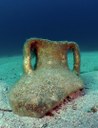
<p style="text-align: justify; "><span>Il  CiRAM ha come suo obiettivo quello di promuovere studi sul mondo  sommerso, sulle aree costiere e sul loro rapporto con le aree più  interne al fine di definire e meglio programmare azioni che permettano  di gestire e valorizzare il patrimonio culturale anche periferico e di  non elevata qualità estetica, normalmente sconosciuto al grande pubblico e escluso dai tradizionali circuiti turistici di massa. </span></p>
<p style="text-align: justify; "><span>In linea con questo approccio, una  particolare attenzione è riservata ad alcuni aspetti che l'innovazione tecnologica mette a disposizione della gestione sostenibile del patrimonio culturale costiero e subacqueo: uso di strumenti di misura ed analisi dati tramite intelligenza artificiale per il monitoraggio del patrimonio culturale; uso di augmented reality e tecnologie visuali interattive per la valorizzazione del patrimonio culturale; uso di strategie digitali per comunicare e promuovere il patrimonio culturale.<span> </span></span></p>
<span> <span> </span> </span>
<p style="text-align: justify; "><span>Facendo proprie le indicazioni della <a class="external-link" href="https://www.coe.int/it/web/conventions/full-list/-/conventions/treaty/199"><span>Convenzione quadro del Consiglio d'Europa sul valore del patrimonio culturale per la società (Faro - 2005)</span></a><span>,  non ancora ratificata da tutti i paesi europei che si affacciano sul  Mediterraneo, il CiRAM intende promuovere il più ampio uso del  patrimonio culturale costiero e subacqueo nel quadro di uno sviluppo duraturo, inclusivo e  sostenibile dei territori.</span></span></p>
</th>
</tr>
</tbody>
</table>
<p style="text-align: justify; "> </p>
<hr />
<p> </p>
<table class="plain">
<tbody>
<tr>
<th><a href="https://ciram.unimc.it/it/focus/patrimonio-culturale/eventi" class="internal-link">Eventi organizzati o sponsorizzati dal CiRAM</a></th>
</tr>
</tbody>
</table>
<table class="plain">
<tbody>
<tr>
<th><a class="external-link" href="http://www.unesco.org/new/en/culture/themes/underwater-cultural-heritage">UNESCO - Underwater Cultural Heritage</a></th>
</tr>
</tbody>
</table>]]></content:encoded>
    <dc:publisher>No publisher</dc:publisher>
    <dc:creator>Caligiuri Andrea</dc:creator>
    <dc:rights></dc:rights>
    <dc:date>2021-02-05T07:50:00Z</dc:date>
    <dc:type>Pagina</dc:type>
  </item>


  <item rdf:about="https://ciram.unimc.it/it/ricerca/progetti/CHIAS/actions">
    <title>Unità di ricerca</title>
    <link>https://ciram.unimc.it/it/ricerca/progetti/CHIAS/actions</link>
    <description>Cultural Heritage, Innovation, Inclusion, Inner Areas, Sustainability</description>
    <content:encoded xmlns:content="http://purl.org/rss/1.0/modules/content/"><![CDATA[<p style="text-align: justify; "> </p>
<p style="text-align: justify; "><b>AZIONE A</b><i> </i></p>
<p style="text-align: justify; "><i><b>Strumenti innovativi per la valorizzazione sostenibile del patrimonio culturale: norme e pratiche per la rigenerazione ed il riuso</b></i></p>
<p style="text-align: justify; "><b> </b></p>
<ul style="text-align: justify; ">
<li>Responsabile: <a class="external-link" href="https://docenti.unimc.it/carmen.vitale">Carmen Vitale</a></li>
<li>Unità di ricerca: Francesca Di Lascio, Melania D’Angelosante, Cristina Boniotti, Stefano della Torre, Giacomo Menegus</li>
</ul>
<p style="text-align: justify; "><b><br /></b></p>
<p style="text-align: justify; "><b>AZIONE B</b></p>
<p style="text-align: justify; "><b> </b><i><b>Patrimonio culturale e sviluppo sostenibile delle aree interne </b></i></p>
<ul style="text-align: justify; ">
<li>Responsabile: <a class="external-link" href="https://docenti.unimc.it/mara.cerquetti">Mara Cerquetti</a></li>
<li>Unità di ricerca: Giulia Lapucci, Maria I. Trapè, Angela Cossiri, Giulia Amadio, Laura Marchegiani, Alessio Bartolacelli, Elisa Panzera, Silvia Cerisola</li>
</ul>
<p style="text-align: justify; "><b><br /></b></p>
<p style="text-align: justify; "><i> </i></p>
<p style="text-align: justify; "><b>AZIONE C</b></p>
<p style="text-align: justify; "><b> </b><i><b>Politiche di disaster risk applicate al patrimonio culturale </b></i></p>
<ul style="text-align: justify; ">
<li>Responsabile: <a class="external-link" href="https://docenti.unimc.it/andrea.caligiuri">Andrea Caligiuri</a></li>
<li>Unità di ricerca: Federica Passerini, Grazia Li Pomi, Giulia Amadio</li>
</ul>
<p style="text-align: justify; "><b><br /></b></p>
<p style="text-align: justify; "><b>AZIONE D</b></p>
<p style="text-align: justify; "><b> </b><i><b>Individuazione e gestione di itinerari turistico culturali</b></i></p>
<p style="text-align: justify; "><b> </b></p>
<ul style="text-align: justify; ">
<li style="text-align: justify; ">Responsabile: <a class="external-link" href="https://www.gssi.it/people/professors/lectures-social-science-gssi-cities/item/7947-compagnucci-fabiano">Fabiano Compagnucci</a></li>
<li style="text-align: justify; ">Unità di ricerca: Diana Santiago Iglesias, Emanuela Stortoni, Maela Carletti, Maria Ciotti, Monica Stronati, Maria I. Trapè, Leonardo Sanchez Mesa Martínez, Pirani, Augusto Ciuffetti, Renato Sansa, Costanza Lucchetti</li>
</ul>]]></content:encoded>
    <dc:publisher>No publisher</dc:publisher>
    <dc:creator>Caligiuri Andrea</dc:creator>
    <dc:rights></dc:rights>
    <dc:date>2023-07-10T10:55:00Z</dc:date>
    <dc:type>Pagina</dc:type>
  </item>


  <item rdf:about="https://ciram.unimc.it/it/ricerca/progetti/mc-ru/tasks">
    <title>Unità di ricerca</title>
    <link>https://ciram.unimc.it/it/ricerca/progetti/mc-ru/tasks</link>
    <description>Law of the sea, Blue economy, Sustainability, Marine mineral resources</description>
    <content:encoded xmlns:content="http://purl.org/rss/1.0/modules/content/"><![CDATA[<div></div>
<ul>
</ul>
<p style="text-align: justify; "> </p>
<p style="text-align: justify; "><b>Aims and objectives</b></p>
<p style="text-align: justify; ">The <b>Macerata-based RU</b> will deal with the “Sustainable use of marine mineral resources”. With the development of our societies and the gradual enhancement of science and information technology, marine science and technology have gradually strengthened, and the marine economy is playing an increasingly important role in the national economy of coastal States. Although it can promote the development of national economy, exploitation of marine mineral resources is an increasing environmental problem for marine ecosystems. The severe destruction of marine ecosystem will be a great challenge to the survival and development of human beings, the exploitation and utilization of marine resources have to be carried out reasonably to guarantee a favourable living environment for biodiversity. However, despite prioritization of this issue at a global level and although much research has been undertaken on the environmental consequences of mining activities, there is a lack of analysis evaluating the need for an improved legal framework for this type of exploitation. It now seems necessary to provide a different approach for actions to protect the marine environment relating to the use of marine mineral resources. Indeed, the paradigm of reference of national policies has changed: in developing and utilizing marine resources, a State should adhere to the concept of marine ecological protection and establish a low-carbon model of marine development for improving the competitiveness of the national economy internationally. For these reasons, societal expectations are claiming higher standards for acceptance of mineral mining activities, particularly with regard to environmental protection and strengthening of the national economy. The use of marine mineral resources could represent an important and complex business also in Italy, nevertheless rather little legislation has been adopted on those areas at national level. While national legal framework has its source in some EU legal acts, such as the Marine Strategy Framework Directive, there is no international rules regulating the exploitation of marine mineral resources and the lack of clear and precise international law leads to unsustainable use of those resources. Thus, the protection of the marine environment necessitates new types of legal tools for the relevant areas, such as the recognition of new specific environmental crimes, the instauration of marine protected areas or the compulsory decommissioning of offshore oil and gas installations. In Italy, the establishment of the EEZ could be the opportunity to be seized to define this new legal framework and its administrative procedures. The main task of the Research Unit will be to adopt both qualitative and quantitative means for data collection and content analysis of current legal developments in this regard. Therefore, the Research Unit aims to discuss practices and contributions Italy has made concerning the protection of the marine environment on the basis of the ecosystem approach in the context of the exploitation of marine mineral resources and in relation to Italy's contribution to the work of the International Sea-Bed Authority. The focus then will turn to the analysis of Italian law regarding the exploitation of mineral resources in its continental shelf and areas beyond the 12-nautical miles, in order to respond to new environmental challenges. To this end, some lessons could be drawn from other State practices. An important step of this research will be the analysis of current situation concerning national marine disaster reduction capacity for mineral mining activities. An effective and innovative policy of exploitation and use of marine resources needs a comprehensive method to evaluate marine disaster risk and a national disaster risk reduction and management plan (including pre-disaster defense, disaster monitoring, warning, emergency response, post-disaster restoration, and reconstruction). In Italy, the current Prime Minister's Decree n. 66/2008 establishing the national platform for disaster risk reduction makes no clear reference to mining activities at sea. There is also little attention paid to this issue at the EU level, with the exception of the adoption of the Directive UE/30/2003 on safety of offshore oil and gas operations. States need to design suitable instruments to involve all the relevant stakeholders in a participative public debate as to how to best manage the sustainable development of maritime space. For this reason, the Research Unit aims to suggest an innovative national policy that embraces the development of a legal framework and encourage cooperation and knowledge sharing among different industrial sectors and between industry and research, improving the basic knowledge on the issue, to realise the sustainability of marine ecosystem as part of the Goal 14 of SDG (Conserve and sustainably use the oceans, seas and marine resources for sustainable development).</p>
<p style="text-align: justify; "> </p>
<hr />
<p> </p>
<p style="text-align: justify; "><b>Research Team</b></p>
<ul>
<li><a class="external-link" href="https://docenti.unimc.it/laura.salvadego">Laura Salvadego</a> (<i>Responsabile</i>)</li>
<li><a class="external-link" href="https://docenti.unimc.it/andrea.caligiuri">Andrea Caligiuri</a></li>
<li><a class="external-link" href="https://docenti.unimc.it/carmen.vitale">Carmen Vitale</a></li>
</ul>
<ul>
<li>Elena Ardito (<a class="mail-link" href="mailto:e.ardito@unimc.it">e.ardito@unimc.it</a>)</li>
</ul>
<p> </p>
<ul>
</ul>
<div></div>
<div>
<hr />
</div>
<ul>
</ul>
<div></div>
<div></div>
<p> </p>
<p> </p>
<p> </p>
<p> </p>
<p style="text-align: center; "><img src="https://ciram.unimc.it/it/ricerca/progetti/mc-ru/loghi.jpg/@@images/c70d988d-71ee-42e5-bc7c-4fc2d4302f81.jpeg" alt="loghi" class="image-inline" title="" /></p>
<ul>
</ul>
<div></div>
<ul>
</ul>]]></content:encoded>
    <dc:publisher>No publisher</dc:publisher>
    <dc:creator>Caligiuri Andrea</dc:creator>
    <dc:rights></dc:rights>
    <dc:date>2023-07-10T10:55:00Z</dc:date>
    <dc:type>Pagina</dc:type>
  </item>


  <item rdf:about="https://ciram.unimc.it/it/focus/storia-antica-archeologia-med/le-missioni-archeologiche-del-dipartimento-di-studi-umanistici-delluniversita-di-macerata">
    <title>UNIMC | Le missioni archeologiche del Dipartimento di Studi Umanistici </title>
    <link>https://ciram.unimc.it/it/focus/storia-antica-archeologia-med/le-missioni-archeologiche-del-dipartimento-di-studi-umanistici-delluniversita-di-macerata</link>
    <description></description>
    
    <dc:publisher>No publisher</dc:publisher>
    <dc:creator>Caligiuri Andrea</dc:creator>
    <dc:rights></dc:rights>
    <dc:date>2020-12-02T09:45:00Z</dc:date>
    <dc:type>Link</dc:type>
  </item>


  <item rdf:about="https://ciram.unimc.it/it/ricerca/progetti/migrazioni-ambientali-climatiche/team">
    <title>UNIMC Team</title>
    <link>https://ciram.unimc.it/it/ricerca/progetti/migrazioni-ambientali-climatiche/team</link>
    <description></description>
    <content:encoded xmlns:content="http://purl.org/rss/1.0/modules/content/"><![CDATA[<ul>
</ul>
<table class="plain">
<tbody>
<tr>
<th><br /></th><th style="text-align: center; ">RESEARCH TOPICS<br /></th>
</tr>
<tr>
<td><b><a class="external-link" href="https://docenti.unimc.it/andrea.caligiuri">Andrea Caligiuri</a> (Principal investigator)</b></td>
<td style="text-align: justify; "><b><i>Protection of persons affected by sea-level rise: legal framework and state practice<br /></i></b></td>
</tr>
<tr>
<td><b><a class="external-link" href="https://docenti.unimc.it/francesca.spigarelli">Francesca Spigarelli</a> (deputy Principal Investigator)</b></td>
<td style="text-align: justify; "><span><b><i>The role of industrial policy for structural change in the context of Euro-Mediterranean region</i></b></span></td>
</tr>
<tr>
<td><b><a class="external-link" href="https://it.linkedin.com/in/elenaardito">Elena Ardito</a></b></td>
<td style="text-align: justify; "><span><b><i>Subsidiary protection in the context of natural disasters and climate change: from theory to practice</i></b></span></td>
</tr>
<tr>
<td><b><a class="external-link" href="https://docenti.unimc.it/maela.carletti">Maela Carletti</a></b></td>
<td style="text-align: justify; "><i><b>Climate and Migration in the Middle Ages: Sources, Historiography and Case Studies</b></i></td>
</tr>
<tr>
<td><b><a class="external-link" href="https://docenti.unimc.it/maria.ciotti">Maria Ciotti</a></b></td>
<td><i><b>The Little Ice Age and the 1709 frost in the Mediterranean context</b></i></td>
</tr>
<tr>
<td><b><a class="external-link" href="https://docenti.unimc.it/raffaella.coppier">Raffaella Coppier</a></b></td>
<td>
<p style="text-align: justify; "><b><i>Economic Impacts of Environmental and Climate Migration</i></b></p>
</td>
</tr>
<tr>
<td><b><a class="external-link" href="https://docenti.unimc.it/c.feliziani">Chiara Feliziani</a></b></td>
<td><span><i><b>Climate litigation and migration in the Euro-Mediterranean area</b></i></span></td>
</tr>
<tr>
<td><b><a class="external-link" href="https://docenti.unimc.it/c.lauri1">Cristiana Lauri</a></b></td>
<td>
<p style="text-align: justify; "><b><i>Administrative action and organization facing the challenge of environmental and climate migration in the Euro-Mediterranean area</i></b></p>
</td>
</tr>
<tr>
<td><b><a class="external-link" href="https://docenti.unimc.it/g.mecca">Giuseppe Mecca</a></b></td>
<td style="text-align: justify; "><b><i>Legal Status of Migrants in the Euro-Mediterranean Area. Legislative Profiles between the 19th and 20th Centuries</i></b></td>
</tr>
<tr>
<td><b><a class="external-link" href="https://docenti.unimc.it/massimo.meccarelli">Massimo Meccarelli</a></b></td>
<td></td>
</tr>
<tr>
<td><b><a class="external-link" href="https://docenti.unimc.it/francesco.pirani">Francesco Pirani</a></b></td>
<td></td>
</tr>
<tr>
<td><b><a class="external-link" href="https://docenti.unimc.it/carlo.pongetti">Carlo Pongetti</a></b></td>
<td></td>
</tr>
<tr>
<td><b><a class="external-link" href="https://docenti.unimc.it/laura.salvadego">Laura Salvadego</a></b></td>
<td style="text-align: justify; "><b><i>The scope of application of the non-refoulement obligation in the context of climate-induced migration</i></b></td>
</tr>
<tr>
<td><b><a class="external-link" href="https://docenti.unimc.it/maria.scialdone">Maria Paola Scialdone</a></b></td>
<td><b><i>Migration Literature</i></b></td>
</tr>
<tr>
<td><b><a class="external-link" href="https://docenti.unimc.it/paolo.sernani">Paolo Sernani</a></b></td>
<td style="text-align: justify; "><i><b>The role of artificial intelligence in the impact of climate and environmental migration on countries of origin and destination</b></i></td>
</tr>
<tr>
<td><b><a class="external-link" href="https://docenti.unimc.it/monica.stronati">Monica Stronati</a></b></td>
<td style="text-align: justify; "><i><b>Depopulation and climate migration in Italy between the 19th and 20th centuries: A case study</b></i><br /></td>
</tr>
<tr>
<td><br /></td>
<td></td>
</tr>
</tbody>
</table>]]></content:encoded>
    <dc:publisher>No publisher</dc:publisher>
    <dc:creator>Caligiuri Andrea</dc:creator>
    <dc:rights></dc:rights>
    <dc:date>2024-06-24T17:15:00Z</dc:date>
    <dc:type>Pagina</dc:type>
  </item>


  <item rdf:about="https://ciram.unimc.it/it/focus/umanesimo-adriatico/home">
    <title>Umanesimo Adriatico</title>
    <link>https://ciram.unimc.it/it/focus/umanesimo-adriatico/home</link>
    <description>Refernte scientifico: Silvia Fiaschi</description>
    <content:encoded xmlns:content="http://purl.org/rss/1.0/modules/content/"><![CDATA[<p> </p>
<ul>
</ul>
<table class="invisible">
<tbody>
<tr>
<th><img src="https://ciram.unimc.it/it/focus/umanesimo-adriatico/PB210014_small.jpg/@@images/d6f1d4ee-d55e-4144-b037-26fabb09fd1b.jpeg" alt="logo" class="image-inline" title="" /></th><th>
<p style="text-align: justify; "><span>Il CiRAM coopera con il Progetto "<a class="external-link" href="http://philelfiana.unimc.it">PHILELFIANA - Oriente e Occidente nell'umanesimo europeo</a>" per la promozione e lo sviluppo della ricerca relativa ai diversi aspetti della cultura umanistica nell'area adriatica.</span></p>
</th>
</tr>
</tbody>
</table>
<p> </p>
<p> </p>
<hr />
<p> </p>
<div>
<table class="plain">
<tbody>
<tr>
<th><a href="https://ciram.unimc.it/it/focus/umanesimo-adriatico/eventi" class="internal-link">Eventi organizzati o sponsorizzati dal CiRAM</a></th>
</tr>
</tbody>
</table>
</div>
<ul>
</ul>]]></content:encoded>
    <dc:publisher>No publisher</dc:publisher>
    <dc:creator>Caligiuri Andrea</dc:creator>
    <dc:rights></dc:rights>
    <dc:date>2020-11-30T12:50:00Z</dc:date>
    <dc:type>Pagina</dc:type>
  </item>


  <item rdf:about="https://ciram.unimc.it/it/focus/umanesimo-adriatico">
    <title>Umanesimo Adriatico</title>
    <link>https://ciram.unimc.it/it/focus/umanesimo-adriatico</link>
    <description></description>
    
    <dc:publisher>No publisher</dc:publisher>
    <dc:creator>Caligiuri Andrea</dc:creator>
    <dc:rights></dc:rights>
    <dc:date>2020-11-30T12:44:27Z</dc:date>
    <dc:type>Cartella</dc:type>
  </item>


  <item rdf:about="https://ciram.unimc.it/it/focus/dialogo-tra-civilta-e-diritti-umani/tutela-dei-diritti-umani-nellera-digitale">
    <title>Tutela dei diritti umani nell'era digitale</title>
    <link>https://ciram.unimc.it/it/focus/dialogo-tra-civilta-e-diritti-umani/tutela-dei-diritti-umani-nellera-digitale</link>
    <description></description>
    <content:encoded xmlns:content="http://purl.org/rss/1.0/modules/content/"><![CDATA[<ul>
<li style="text-align: justify; "><a href="https://ciram.unimc.it/it/focus/dialogo-tra-civilta-e-diritti-umani/ST143092023INIT_it.pdf" class="internal-link">UE - C<span>onclusioni del Consiglio  sull'empowerment digitale per la tutela e il rispetto dei diritti  fondamentali nell'era digitale (28 October 2023)</span></a> </li>
</ul>
<ul>
<li style="text-align: justify; "><a class="external-link" href="https://unesdoc.unesco.org/ark:/48223/pf0000379920#page=14">UNESCO Recommendation on the Ethics of Artificial Intelligence (General Conference, 22 November 2021)</a></li>
<li style="text-align: justify; "><a class="external-link" href="https://unesdoc.unesco.org/ark:/48223/pf0000372132">Steering AI and advanced ICTs for knowledge societies: a Rights, Openness, Access, and Multi-stakeholder Perspective (UNESCO, 2019)</a></li>
</ul>
<div></div>
<div></div>
<div></div>
<ul>
</ul>
<div></div>
<div></div>
<p> </p>
<div></div>]]></content:encoded>
    <dc:publisher>No publisher</dc:publisher>
    <dc:creator>Caligiuri Andrea</dc:creator>
    <dc:rights></dc:rights>
    <dc:date>2022-02-07T16:20:00Z</dc:date>
    <dc:type>Pagina</dc:type>
  </item>


  <item rdf:about="https://ciram.unimc.it/it/ricerca/progetti/migrazioni-ambientali-climatiche/project">
    <title>The Project</title>
    <link>https://ciram.unimc.it/it/ricerca/progetti/migrazioni-ambientali-climatiche/project</link>
    <description></description>
    <content:encoded xmlns:content="http://purl.org/rss/1.0/modules/content/"><![CDATA[<p style="text-align: justify; "><b>Abstract</b></p>
<p style="text-align: justify; ">History provides clear evidence of the influence of natural events on migratory phenomena. In the past, population movements were the result of a survival instinct that led whole communities to environments more suitable for a more stable and secure existence. The certainty that climate has always conditioned human mobility has led to the prevailing view that environmental factors are not relevant elements in the study of international migration phenomena. In fact, the reference to climate as a push factor for migration was rarely analysed by the social sciences in the 20th century. Thus, for a long time, climate change has been studied exclusively by the natural sciences, without careful reflection on the medium- to long-term transformative effects it may have on societies that receive migratory flows of environmental/climatic origin, putting their political, economic, social and cultural structure at risk, especially when these flows appear to be constant and constantly increasing, as they are today. Scientific studies have often been limited to identifying possible remedies for the negative effects on the societies concerned in the short term, with a view to emergency management, trusting in the "inevitable" absorption of migrants by the host territorial communities in the medium to long term. Although some publications on the phenomenon of environmental migrants can be traced back to the 1970s, it was not until the 1990 report of the Intergovernmental Panel on Climate Change that the human dimension of climate change came to the fore. This initial research and subsequent policy debates had a disruptive effect on the scientific-academic debate, which has gradually evolved over the decades to acknowledge that environmental/climate change may influence migration patterns and human behaviour. The project will focus research on environmental/climatic migration in the Euro-Mediterranean region, which is characterised by a high population concentration on the coasts (about 150 million people, 1/3 of the total population of the coastal states, doubling to 65% on the southern coast), progressive urbanisation of the coasts, sea level rise and coastal erosion, increasingly frequent droughts and water scarcity, etc. Several international bodies are pursuing initiatives to help coastal countries develop common but diverse strategies to manage the impact of the phenomenon on their societies, but no study seems to have analysed the phenomenon in a more articulated and complex perspective. The displacement of masses of people could also lead to humanitarian crises with far-reaching security implications: high migratory pressures are likely to exacerbate political tensions and conflicts in the countries of origin, transit and arrival of the flows, leading to the destabilisation of social structures and the development of peaceful international relations.</p>
<p style="text-align: justify; ">The project will focus on the following strands of research and their interrelationships, with the aim of developing policy proposals for the governance of the phenomenon: (a) environmental/climatic migration in a historical and historical/legal perspective; (b) the influence of environmental/climatic migration on the redefinition of economic policies in the Euro-Mediterranean region; (c) the redefinition of political, legal and social models in the light of the cultural inputs arising from the phenomenon of environmental/climatic migration in host societies, including through the use of quantitative analysis methods based on artificial intelligence; and (d) environmental sustainability as a constraint on the migration phenomenon. Across the various research strands, the CRR will promote a new approach to migration research based on participatory research and citizen science through collaboration with OPERAS-IT.</p>
<p style="text-align: justify; ">The Project was formed to develop an interdisciplinary research, involving different scientific fields (historians, geographers, political scientists, jurists, economists, engineers), in which researchers, dialoguing and integrating their expertise, can find points of contact to identify and solve together the critical issues that the environmental/climatic migration phenomenon poses for the Euro-Mediterranean region. Starting from the intermediate results that the application such an approach will allow to identify, being faced with a phenomenon of enormous complexity, the mere juxtaposition of disciplines as a method of investigating reality is not considered sufficient in itself. Such a phenomenon, originating from distinct causes and producing articulated effects, requires the integration of multiple points of view in a transdisciplinary key, to be achieved not only through the intersection of the different disciplinary perspectives of the members, but by broadening as much as possible the vision on the object of investigation, with the inclusion of stakeholders deeply related to the research topic, as bearers of specific interests and needs to be taken into account in the development of solution proposals.</p>
<p class="Default" style="text-align: justify; "> </p>
<table class="plain">
<tbody>
<tr>
<th><a href="https://ciram.unimc.it/it/ricerca/progetti/migrazioni-ambientali-climatiche/PropostadiCCR.pdf" class="internal-link">The Project (IT)</a><br /></th><th>Principal Investigator: <a class="external-link" href="https://docenti.unimc.it/andrea.caligiuri">Andrea Caligiuri</a></th><th>Project Duration: 21.06.2024-20.06.2027</th>
</tr>
</tbody>
</table>]]></content:encoded>
    <dc:publisher>No publisher</dc:publisher>
    <dc:creator>Caligiuri Andrea</dc:creator>
    <dc:rights></dc:rights>
    <dc:date>2024-06-24T17:30:00Z</dc:date>
    <dc:type>Pagina</dc:type>
  </item>


  <item rdf:about="https://ciram.unimc.it/it/focus/diritto-geopolitica-mare/technology-for-sustainable-ocean-governance/technology-for-sustainable-ocean-governance">
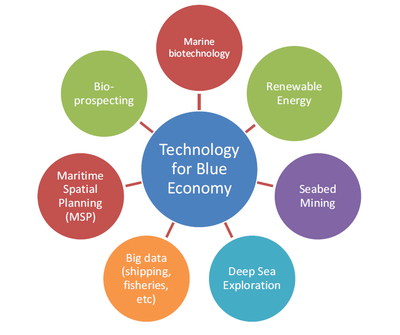
    <title>Technology for Sustainable Ocean Governance</title>
    <link>https://ciram.unimc.it/it/focus/diritto-geopolitica-mare/technology-for-sustainable-ocean-governance/technology-for-sustainable-ocean-governance</link>
    <description></description>
    <content:encoded xmlns:content="http://purl.org/rss/1.0/modules/content/"><![CDATA[<p> </p>
<p style="text-align: center; "><img src="https://ciram.unimc.it/it/focus/diritto-geopolitica-mare/technology-for-sustainable-ocean-governance/bluetechnology.png/@@images/6c2e05fd-a160-4c17-b578-3a03f52c4254.png" alt="Blue technology" class="image-inline" title="" /></p>]]></content:encoded>
    <dc:publisher>No publisher</dc:publisher>
    <dc:creator>Caligiuri Andrea</dc:creator>
    <dc:rights></dc:rights>
    <dc:date>2023-07-19T16:57:00Z</dc:date>
    <dc:type>Pagina</dc:type>
  </item>


  <item rdf:about="https://ciram.unimc.it/it/focus/diritto-geopolitica-mare/technology-for-sustainable-ocean-governance">
    <title>Technology for Sustainable Ocean Governance</title>
    <link>https://ciram.unimc.it/it/focus/diritto-geopolitica-mare/technology-for-sustainable-ocean-governance</link>
    <description></description>
    
    <dc:publisher>No publisher</dc:publisher>
    <dc:creator>Caligiuri Andrea</dc:creator>
    <dc:rights></dc:rights>
    <dc:date>2023-07-19T16:44:13Z</dc:date>
    <dc:type>Cartella</dc:type>
  </item>


</rdf:RDF>